
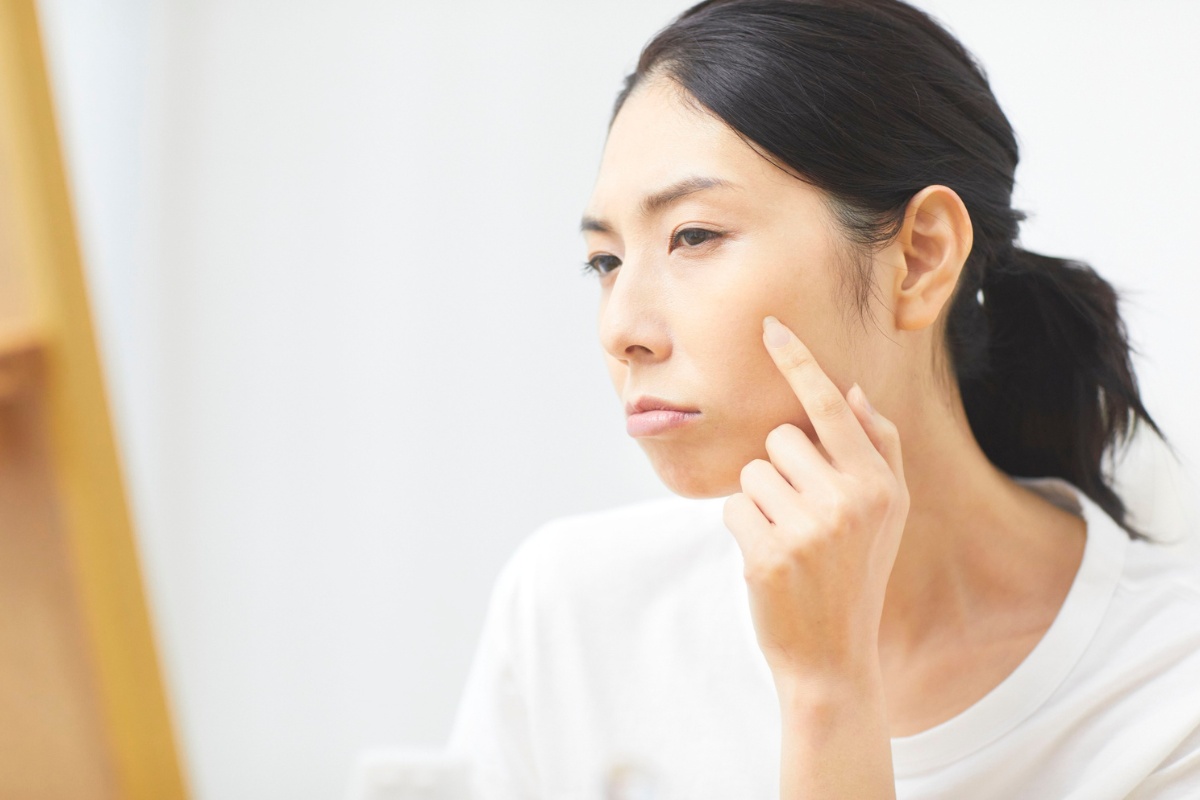
Summer in Malta is long, bright and hot. By October, many people look in the mirror and notice the cost. New brown spots. Uneven tone. Skin that feels dry and rough. Fine lines that were not there in spring.
Autumn and winter give you a good chance to fix much of this. Post summer skin repair in Malta works best when you match the treatment to the real problem. A sunspot needs a different plan from dry, tired skin.
At Venus Malta, we supply many of the products local clinics use for this kind of work. This guide explains the main options in plain words. You will learn what each treatment does, who it suits and what to expect. We also cover safety, because some pigment problems get worse with the wrong treatment.
How Does the Maltese Sun Affect Your Skin?
Mediterranean sun exposure is strong for most of the year. UV rays reach the deeper layers of your skin and slowly damage it. Doctors call this photoaging, which simply means skin ageing caused by the sun.
The most common signs are:
- Sunspots, freckles and other brown spots
- Uneven skin tone and patches of colour
- Redness that does not fade
- Rough texture and a dull look
- Dry skin that shows fine lines more easily
Melasma needs special care. It shows up as brown or grey patches, often on the cheeks, forehead or upper lip. Hormones and sun both play a part. Heat and skin irritation can make it worse, so it needs a different plan from ordinary sunspots.
Signs Your Skin May Need Post Summer Repair
- New brown spots, or old ones that look darker
- Patchy tone or redness that stays for weeks
- Skin that feels tight, dry or rough
- Fine lines or a change in texture
One rule comes first. If a spot changes shape, grows, itches or bleeds, see a doctor before any beauty treatment.
Why Autumn and Winter Suit Skin Treatments in Malta
UV levels drop in the cooler months. Most people also spend less time at the beach. This makes it easier to stay out of the sun after a peel or a light treatment.
Still, the season alone does not make a treatment safe. Malta gets real UV even in winter. Your outdoor habits and the type of treatment matter more than the date on the calendar. Avoid tanning before and after any procedure, and follow your clinic’s advice closely.
The same thinking applies to hydration treatments. Our article on the best time to get Profhilo in Malta explains how season and skin goals fit together.
Best Treatments for Post Summer Skin Repair in Malta
IPL Pigmentation Treatment
IPL stands for intense pulsed light. It sends flashes of light into the skin. The light targets brown pigment and small red vessels.
IPL can help with sunspots, freckles and general redness in the right person. Treated spots often turn darker for a few days, then flake away. Most people need a course of sessions, spaced a few weeks apart.
Side effects include redness and swelling. Burns and new pigment changes can happen, and the risk is higher on darker or tanned skin. SkinLab Malta is one local clinic that offers IPL pigmentation treatment.
Medical Chemical Peels
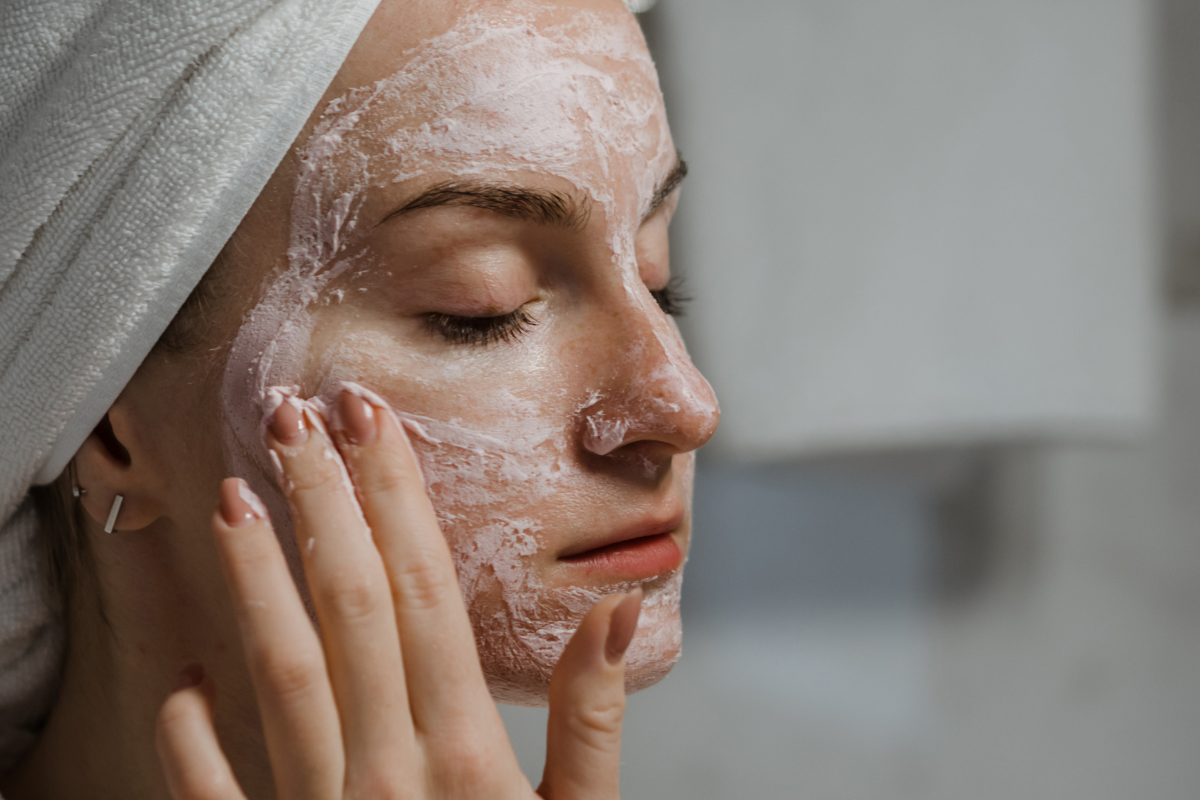
A chemical peel uses acids to remove a controlled layer of skin. New skin grows back smoother and more even. Our guide on how a chemical peel works on Maltese skin covers the basics in more depth.
Superficial peels work on the top layer. They help with dullness, rough texture and light pigment. Deeper peels reach further, but they bring more peeling, more downtime and more risk.
Many clinics use a BioRePeel chemical peel for post summer skin. It combines TCA with other acids, vitamins and amino acids, and it usually causes little visible peeling. You can learn what results to expect from a BioRePeel treatment before you book.
Any peel can cause redness, stinging or irritation. Strict sun protection afterwards is a must. If you are unsure whether a chemical peel is safe in Malta for your skin type, ask for a full skin check first. AMAI Malta and BDR Clinic Malta both publish information on peels and sun damage.
Laser Skin Resurfacing and Pigment Lasers
There are two main types of laser. Resurfacing lasers remove or heat thin layers of skin to improve texture and fine lines. Pigment lasers aim at brown spots and leave the skin surface mostly intact.
Lasers can help with age spots, rough texture and signs of photoaging. Recovery depends on the laser. Some cause a few days of redness, while stronger ones need a week or more.
Melasma needs extra care here. Heat can trigger it and make it darker. Choose a trained practitioner who checks your skin first. Chic Persona is one local provider of laser treatments for sunspots and discolouration.
Mesotherapy and Hyaluronic Acid Skin Boosters
Skin boosters do a different job. They do not remove pigment. Instead, they put water binding ingredients back into dry, tired skin.
A Profhilo skin booster uses pure hyaluronic acid to improve hydration and skin quality. Cytocare mesotherapy adds hyaluronic acid with vitamins and amino acids. Jalupro skin rejuvenation combines amino acids with hyaluronic acid to support skin repair.
These treatments can make skin look smoother and more radiant. Results vary from person to person. As with any injection, swelling, bruising and a small risk of infection exist. Only a qualified medical professional should inject.
Medical Grade Skincare and Daily Care
Good home care supports every clinic treatment. Use a broad spectrum sunscreen every day. Cleanse gently and keep your skin moisturised.
Some ingredients help with pigment over time. Vitamin C brightens. Azelaic acid calms colour and redness. Retinoids speed up skin renewal. A range like Sesderma skincare includes vitamin C and retinol products. Strong prescription creams should come from a doctor.
Skincare supports results. It cannot replace a check of a spot that worries you.
Which Treatment Is Best for Your Skin Concern?
| Skin concern | Options to discuss |
| Sunspots and freckles | IPL or pigment lasers, after a skin check |
| Uneven tone and light pigment | Suitable chemical peels or topical skincare |
| Melasma | Diagnosis first, then careful topical care and selected procedures |
| Rough texture and photoaging | Selected peels or laser resurfacing |
| Dryness and dullness | Moisturisers, barrier care and possibly skin boosters |
| Redness that stays | A check to find the cause before any light treatment |
This table is a starting point, not a treatment plan. Your skin tone, medicines and the cause of your pigment can all change the answer.
How Many Sessions Are Needed?
It depends on the treatment and your skin. IPL and many lasers need a series of sessions. Peels vary by strength. Skin boosters often show a fresher look sooner, but they have a different goal from pigment treatments.
Early redness or darker spots are part of healing, not the final result. Nobody can promise that all pigment will go.
How to Prepare and Protect Your Results
Before treatment, tell your practitioner about medicines, allergies, skincare and past procedures. Ask if you should pause retinoids or acids. Mention cold sores, slow healing or past dark marks after spots. Never stop a prescribed medicine without medical advice.
After treatment, use SPF 30 to 50 every day. SPF 50 is a practical choice after a procedure. Reapply when outdoors, and use shade and a hat. Do not pick peeling skin. Contact your practitioner if you notice blisters, severe pain or darker patches.
What to Ask Before You Book
- What is causing my pigment?
- Is this treatment right for my skin tone?
- What results are realistic?
- How many sessions will I need?
- What side effects and recovery should I expect?
- What aftercare and sun protection do I need?
Frequently Asked Questions
What is the best treatment for sun damage in Malta?
There is no single best option. IPL and lasers suit many sunspots. Peels help with tone and texture. Skin boosters help with dryness.
Does IPL remove sunspots and freckles?
IPL can fade many sunspots and freckles over a few sessions. Results vary, and it does not suit every skin type.
Can chemical peels help with sun damaged skin?
Yes. Peels can improve uneven tone, light pigment and rough texture when chosen for your skin.
Can pigmentation return after treatment?
Yes. New sun exposure can bring spots back, which is why daily sunscreen matters all year.
Are pigmentation treatments suitable for all skin tones?
Not always. Darker skin tones have a higher risk of pigment changes with some light and laser treatments, so a skin check comes first.
Conclusion: Choose the Right Post Summer Skin Repair in Malta
Post summer skin repair in Malta works best when the treatment fits the problem. Sunspots, melasma, dryness and rough texture each need their own plan. Daily sunscreen and gentle skincare matter all year, not only in summer.
Before you choose, book a skin check with a qualified practitioner. Ask questions, set realistic goals and give your skin time to heal.