
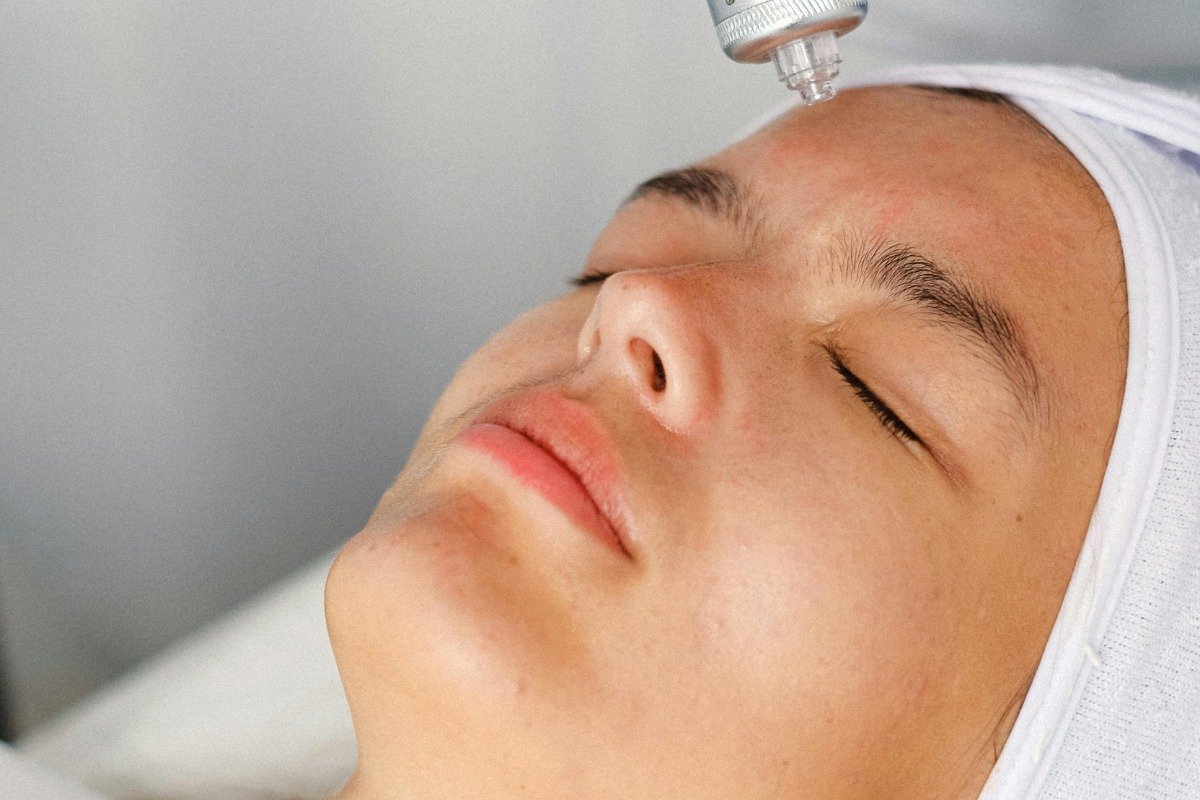
Do you have brown patches on your cheeks that get darker every summer? You are not alone. Melasma is very common in Malta, and our strong sun is a big reason why.
The good news is that melasma can be treated. The hard truth is that it comes back if you treat it the wrong way. At Venus Malta, we supply clinics across the island with trusted skin products, so we see what works for Maltese skin. This guide explains what melasma is, why Malta makes it worse, and which treatments really work.
This article is for general information only and is not medical advice. Always speak to a qualified doctor about your skin.
What Is Melasma?
Melasma is a skin condition that causes brown or grey patches on the face. It shows up most on the cheeks, forehead, nose and upper lip. The patches often look the same on both sides of the face.
It happens when the cells that make pigment start making too much of it. Sun, heat and hormones push these cells to work harder. That is why melasma is more common in women. It often starts during pregnancy or after starting the pill. Men can get it too.
Melasma is not the only cause of dark spots on face. Here is how it compares to other types of pigmentation:
| Type | What it looks like | Main cause |
| Melasma | Large, blotchy patches on both cheeks | Sun, heat and hormones |
| Sun spots | Small, round, flat spots | Years of sun exposure |
| Post inflammatory hyperpigmentation | Dark marks where a pimple or cut healed | Acne or skin injury |
Knowing which one you have matters. Each type of pigmentation on face responds to different treatment. A skin doctor can usually tell them apart with a quick check.
Why Melasma Is So Common in Malta
Malta gets close to 3,000 hours of sunshine a year. In summer, the UV index often reaches 9 or higher. That is a very high level, and it hits your face almost every day.
UV is only part of the problem. Visible light and heat also trigger melasma. A hot day in the shade can still darken your patches. Driving with the sun on your face or sitting by a sunny window adds up too.
Weekends at the beach make it worse. Water and sand reflect UV back onto your skin. Add hormones on top, and melasma becomes very hard to control without a clear plan.
Melasma Treatment Options That Actually Work
There is no single cure for melasma. The best treatment for melasma on face uses two or three methods together. These are the options with the strongest results.
Chemical Peels and BioRePeel
Peels remove the top layer of dull, pigmented skin cells. They also help your creams soak in better. Gentle peels are the safest choice for melasma. Strong peels can irritate the skin and cause even more dark patches.
BioRePeel is a popular choice in Maltese clinics. It brightens the skin without heavy peeling, so most people go back to work the same day. You can read more about BioRePeel benefits and no downtime results before you book.
New to peels? Learn how a chemical peel works on Maltese skin and read about chemical peel safety, risks and aftercare in Malta.
Creams and Serums for Daily Use
Topical products are the base of every melasma plan. Look for these ingredients in a melasma treatment cream or serum:
- Tranexamic acid calms the signals that trigger extra pigment.
- Azelaic acid fades dark spots and is gentle on sensitive skin.
- Vitamin C brightens skin and helps protect it from sun damage.
- Niacinamide stops pigment from moving up to the skin surface.
- Retinoids speed up skin renewal, so dark cells fade faster.
Hydroquinone is also used, but only under a doctor’s care and for short periods.
Sesderma skincare offers brightening serums and creams with several of these ingredients. For many people, a good vitamin C serum is the best serum for pigmentation and dark spots to start with. It is simple to use every morning under sunscreen.
Skin Boosters and Mesotherapy
Skin boosters will not remove melasma on their own. They make the skin healthier, so it copes better with sun and responds better to other treatments.
Cellbooster skin boosters include formulas made to brighten dull skin and even out tone. Revitacare mesotherapy delivers vitamins and hyaluronic acid into the skin. Jalupro biorevitalization uses amino acids to support skin repair. Your practitioner can add these between peel sessions.
Lasers and Microneedling: Use With Care
Lasers help some people, but they can also make melasma worse. Heat from strong lasers may trigger more pigment. This risk is higher for olive and darker skin, which is common in Malta.
Microneedling carries a similar risk. It works best at a low depth with a calming serum. Only choose these options with a doctor who treats melasma often.
Sun Protection Is Part of the Treatment
You can spend hundreds of euros on treatment and lose the results in one sunny weekend. With melasma, sunscreen is not optional. It is the step that keeps every other result in place.
Follow these simple rules:
- Use SPF 50 every day, even in winter and on cloudy days.
- Pick a tinted mineral sunscreen with iron oxides. It blocks visible light as well as UV.
- Reapply every two hours when you are outdoors.
- Wear a wide hat and sunglasses at the beach.
- Stay in the shade between 11am and 4pm in summer.
- Avoid saunas, hot yoga and very hot showers on your face. Heat makes melasma darker.
A Year Round Melasma Plan for Malta
Timing matters a lot in Malta. Starting strong treatments in July is asking for trouble. Plan your year like this:
| Months | Focus | What to do |
| October to March | Active treatment | Peels, skin boosters and stronger serums |
| April to May | Slow down | One last gentle peel, then increase sun care |
| June to September | Protect and maintain | Daily SPF 50, vitamin C and tranexamic acid serum, no strong peels |
Autumn is the best time to start. The sun is weaker, and your skin has months to settle before next summer.
Melasma During Pregnancy
Many women first notice melasma when they are pregnant. It is often called the mask of pregnancy. In many cases, it fades a few months after the baby is born.
During pregnancy, avoid retinoids, hydroquinone and most peels. Azelaic acid and vitamin C are usually seen as safer choices. Strict sun protection is the most useful thing you can do. Always check with your doctor before you use any new product.
How to Remove Pigmentation From Face Permanently: Is It Possible?
Melasma can fade a lot, and many people enjoy clear skin for long periods. But there is no permanent cure. The pigment cells stay sensitive, so sun, heat or hormone changes can bring the patches back.
The goal is control, not a one time fix. With the right plan, most people see clear results in 8 to 12 weeks. A simple daily routine after that helps you keep those results.
When to See a Doctor
Book a visit with a dermatologist if:
- Your patches are spreading or changing fast.
- A spot is raised, itchy or bleeding.
- Creams have not helped after three months.
- You are not sure if it is melasma or another type of hyperpigmentation.
A doctor can confirm the cause and build a safe plan for your skin type. For pigmentation removal in Malta, always choose a licensed medical clinic.
Frequently Asked Questions
What is melasma caused by?
Melasma is caused by sun, visible light, heat and hormones. Pregnancy, the pill and family history all raise your risk.
Can melasma go away on its own?
Sometimes. Melasma linked to pregnancy or the pill may fade once hormones settle. Melasma caused mainly by sun usually needs treatment.
Why does my melasma get worse in summer?
Summer brings more UV, more light and more heat. All three push pigment cells to work harder, and Malta gets plenty of each.
What is the best treatment for melasma?
A mix works best. Use daily SPF 50 and a brightening serum, and add gentle peels like BioRePeel in the cooler months.
Is hyperpigmentation the same as melasma?
No. Hyperpigmentation is the general name for any darker patch of skin. Melasma is one type of hyperpigmentation.
Can men get melasma?
Yes. It is less common in men, but it does happen, especially in sunny places like Malta.
Final Thoughts
Melasma is common in Malta, but you can keep it under control. Treat it in the cooler months, protect your skin every single day, and use products that suit your skin type. Speak with a licensed practitioner to find the right mix for you.